
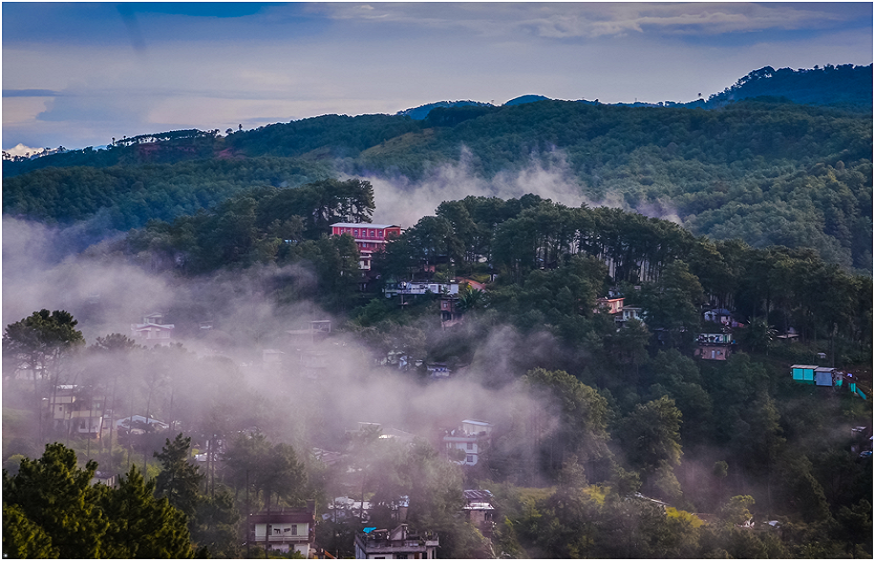
India is a land of changing landscapes. A single journey can take travellers from tropical backwaters and green tea plantations to high mountain valleys covered with snow. The country offers beaches, forests, waterfalls, rivers, deserts, lakes, wildlife parks, and peaceful hill towns.
Kerala presents the calm and tropical side of India through its backwaters, spice gardens, and misty hills. Meghalaya attracts nature lovers with waterfalls, caves, rivers, and forest-covered valleys. Further north, Kashmir, Himachal Pradesh, Uttarakhand, Sikkim, and Ladakh reveal the beauty of the Himalayas.
Every region offers a different travel experience. Some destinations are suitable for a slow family holiday, while others are better for trekking, road trips, photography, or outdoor adventure. This guide explores India’s natural variety and explains how to choose the right route according to your interests, travel season, and available time.
Why India Is Ideal for Nature-Based Holidays
India’s geographical variety allows travellers to enjoy different natural settings without travelling outside the country. Coastal areas provide warm weather and tropical scenery, while the Himalayan regions offer cool temperatures, mountain views, and seasonal snow.
Travellers can choose experiences such as:
- Cruising through peaceful backwaters
- Walking through tea and coffee plantations
- Visiting waterfalls and forest valleys
- Boating on clear rivers and mountain lakes
- Staying near beaches and tropical forests
- Exploring Himalayan villages
- Trekking through mountain trails
- Experiencing snow-covered landscapes
The best destination should match the traveller’s interests, fitness, comfort, and available days. A practical route with fewer destinations is usually more enjoyable than a crowded itinerary.
Kerala: Backwaters, Tea Gardens, and Tropical Greenery
Kerala is one of India’s most complete nature destinations. It combines green hills, tropical forests, waterways, spice plantations, beaches, and cultural experiences.
Munnar’s Tea-Covered Hills
Munnar is surrounded by tea gardens, misty valleys, waterfalls, and winding mountain roads. It is suitable for couples, families, and travellers who want a peaceful hill holiday.
Visitors can explore tea estates, enjoy plantation walks, visit viewpoints, and spend time near waterfalls. Staying outside the busy town centre can provide a quieter experience and better views.
Thekkady’s Forest and Spice Experiences
Thekkady offers spice plantations, forest surroundings, local markets, and the Periyar Lake area. Travellers can visit a spice garden, explore the local market, enjoy cultural performances, and experience the natural atmosphere of the region.
Alleppey and Kumarakom Backwaters
Alleppey and Kumarakom are known for calm waterways, lakeside resorts, village scenery, and houseboat stays. A backwater cruise allows travellers to observe traditional homes, coconut trees, small boats, and local life along the water.
Travellers comparing Kerala vacation packages can select a route covering Kochi, Munnar, Thekkady, and Alleppey. Five to seven days are usually suitable for this journey without making the schedule too busy.
Before booking a houseboat, check whether it is private or shared. Also confirm the room type, meal plan, cruising time, air-conditioning schedule, and boarding location.
Meghalaya: Waterfalls, Rivers, and Green Valleys
Meghalaya provides a different kind of green holiday. The state is known for waterfalls, clear rivers, caves, forest paths, mist-covered hills, and peaceful villages.
Shillong as the Main Travel Base
Shillong offers lakes, viewpoints, cafés, markets, and easy access to nearby attractions. It works well as the starting point for a wider Meghalaya route.
Read More; The Golden Hour: Optimizing Your Day Charter Timing
The city can become busy during weekends and holidays. Travellers looking for peace may choose accommodation away from the main market areas.
Cherrapunji’s Waterfalls and Caves
Cherrapunji is surrounded by deep valleys, limestone caves, forest trails, and several waterfalls. The landscape becomes especially green during the rainy season.
The living root bridges are among the region’s most unique attractions. Some routes involve many steps, so travellers should consider their fitness and allow enough time for the walk.
Dawki, Shnongpdeng, and Mawlynnong
Dawki is known for the Umngot River, where boating is a popular experience. Water clarity can change according to rainfall and river conditions.
Shnongpdeng offers a quieter riverside setting and can be suitable for travellers who want to stay near the water. Mawlynnong provides village scenery, gardens, and light nature walks.
When reviewing Meghalaya Holiday packages, check daily road travel, hotel locations, boating charges, trek requirements, and sightseeing coverage. Five to six days are suitable for Shillong, Cherrapunji, Dawki, and nearby areas.
Goa and the Konkan Coast: Tropical Beaches and Coastal Life
Goa offers beaches, palm-lined roads, coastal food, local markets, heritage areas, and a relaxed holiday atmosphere.
North Goa is generally more active and offers popular beaches, cafés, shopping, and nightlife. South Goa has quieter coastal areas and is better for travellers who prefer peaceful resorts and less crowded beaches.
Gokarna and other parts of the Konkan coast provide an alternative experience with smaller beaches, temple towns, coastal walks, and simple stays.
October to March generally offers comfortable beach weather. During the monsoon, the surroundings become greener, but water activities may be limited because of sea conditions.
Coorg and Wayanad: Plantation Retreats in the Western Ghats
Coorg and Wayanad are suitable for travellers who enjoy plantation stays, forested hills, waterfalls, lakes, and quiet country roads.
Coorg
Coorg is known for coffee estates, valley views, waterfalls, and peaceful homestays. Visitors can join estate walks, taste local food, and explore the countryside at a relaxed pace.
Wayanad
Wayanad offers forest areas, dams, lakes, waterfalls, and plantation properties. Pookode Lake, Banasura Sagar Dam, and Soochipara Falls are among the popular natural attractions.
Read More: Wally: Avant-Garde Innovation and Contemporary Luxury Yachting
Both destinations are suitable for two- to four-day breaks. The monsoon creates fresh greenery, while the months after the rainy season are often more comfortable for outdoor sightseeing.
Kashmir: Lakes, Meadows, and Snowy Peaks
Kashmir presents a softer and greener side of the Himalayas. It combines lakes, gardens, rivers, forests, meadows, and high mountain views.
Srinagar
Srinagar is known for Dal Lake, houseboats, shikara rides, gardens, and traditional markets. Staying near the lake provides easy access to some of the city’s main experiences.
Gulmarg
Gulmarg offers wide meadows, pine-covered slopes, mountain views, and seasonal snow. It is popular among couples, families, photographers, and winter travellers.
Pahalgam and Sonamarg
Pahalgam is surrounded by rivers, green valleys, and forest scenery. Sonamarg offers dramatic mountain landscapes and scenic road journeys.
Spring is suitable for flowers, summer for sightseeing, autumn for clear views, and winter for snow. Five to seven days are useful for Srinagar and two nearby destinations.
Himachal Pradesh: Rivers, Forests, and Mountain Villages
Himachal Pradesh offers several types of Himalayan holidays. Travellers can choose between active hill towns, riverside valleys, peaceful villages, forests, and high-altitude regions.
Manali is known for mountain views, river scenery, and outdoor activities. Dharamshala combines green hills with Tibetan culture. Dalhousie offers wooded surroundings and relaxed walking routes.
Tirthan Valley is suitable for travellers who want riverside stays, village walks, and a slower experience. Spiti Valley provides remote scenery, monasteries, and high mountain roads but requires more travel time and careful planning.
Mountain journeys can take longer than expected because of narrow roads, traffic, rain, or snow. Avoid combining distant Himachal regions within a short holiday.
Uttarakhand: Lakes, Rivers, and Himalayan Trails
Uttarakhand offers mountain lakes, forest areas, rivers, trekking routes, spiritual destinations, and peaceful hill towns.
Nainital is known for its central lake, boating, viewpoints, and surrounding hills. Bhimtal, Sattal, and Naukuchiatal offer quieter lake experiences.
Chopta attracts travellers with forests, open meadows, and mountain trails. Auli is known for wide Himalayan views and seasonal snow. Rishikesh combines river scenery, yoga, cafés, and rafting.
The best season depends on the selected route. Weather, trail access, and road conditions should always be checked before travelling to higher regions.
Sikkim: Mountain Lakes, Monasteries, and Forest Roads
Sikkim combines Himalayan scenery with monasteries, lakes, waterfalls, forests, and peaceful settlements.
Gangtok is the main travel base and offers markets, viewpoints, cafés, and monasteries. Tsomgo Lake provides high-altitude scenery, while Pelling is known for mountain views and waterfalls.
Lachung and Yumthang Valley offer rivers, seasonal flowers, and remote landscapes. However, reaching North Sikkim involves long road journeys. Travellers should add enough rest and avoid a packed itinerary.
Some protected areas require permits and registered vehicles. Access can change because of rain, snow, or road conditions. Five to seven days are suitable for exploring Gangtok with either Pelling or North Sikkim.
Ladakh: High Passes, Open Valleys, and Remote Lakes
Ladakh presents a dramatic side of the Himalayas. Its landscape includes rocky mountains, high passes, monasteries, wide valleys, and remote lakes.
Leh is the main base for the journey. Visitors should rest after arriving to adjust to the altitude before taking long road trips.
Nubra Valley offers open landscapes and small villages, while Pangong Lake is surrounded by high mountains. The route involves long drives and changing weather conditions.
Travellers should confirm permit requirements, vehicle arrangements, road access, and health precautions before departure. Seven to nine days are suitable for the main Ladakh route.
Quick Comparison of India’s Natural Regions
| Destination | Main Natural Experience | Suggested Stay | Best Suited For |
|---|---|---|---|
| Kerala | Backwaters, tea hills and forests | 5–7 days | Families, couples and slow travellers |
| Meghalaya | Waterfalls, caves and rivers | 5–6 days | Nature lovers and photographers |
| Goa | Beaches and coastal scenery | 3–5 days | Couples, groups and beach lovers |
| Coorg and Wayanad | Plantations and forested hills | 2–4 days | Short breaks and nature retreats |
| Kashmir | Lakes, meadows and mountains | 5–7 days | Couples and families |
| Himachal Pradesh | Rivers, forests and mountain towns | 5–7 days | Nature and adventure travellers |
| Sikkim | Lakes, monasteries and valleys | 5–7 days | Scenic road-trip lovers |
| Ladakh | High mountains and remote lakes | 7–9 days | Experienced and adventure travellers |
Choose According to the Season
October to February
This period works well for Kerala, Goa, Coorg, Wayanad, and many coastal or tropical destinations. Lower Himalayan regions may also be comfortable, while higher areas can receive snow.
March to May
Spring and early summer are suitable for Kashmir, Sikkim, Himachal Pradesh, Uttarakhand, and other hill regions.
June to September
The monsoon brings rich greenery and powerful waterfalls to Kerala, Meghalaya, Coorg, Wayanad, and the Western Ghats.
Rain may affect roads, trekking, boating, and sightseeing. Some high-altitude Himalayan routes become accessible during summer, but conditions should be checked before travel.
How to Plan a Balanced Nature Holiday
Match the Route with Your Available Days
Choose one destination for a three- or four-day break. Five to seven days are suitable for one regional route. Remote mountains and island journeys may require more time.
Check Daily Travel Time
Do not judge a route only by distance. Mountain roads, traffic, weather, and ferry schedules can make a short journey take several hours.
Choose Accommodation Carefully
Check the hotel’s actual location, road access, recent reviews, meal options, room facilities, and distance from attractions.
Leave Time to Relax
A nature holiday should not be filled with continuous sightseeing. Keep free time for walks, local food, photography, and enjoying the surroundings.
Common Planning Mistakes
Travellers often make their journeys tiring by adding too many destinations. Frequent hotel changes and long road transfers reduce the time available for nature experiences.
Other common mistakes include:
- Ignoring seasonal weather
- Booking hotels far from attractions
- Planning difficult activities without checking fitness
- Forgetting permits or local entry rules
- Selecting unverified activity operators
- Leaving no rest time
- Copying another traveller’s itinerary without considering personal needs
A simple and flexible journey is often more enjoyable than an overloaded plan.
Travel Responsibly
Beaches, forests, rivers, lakes, and mountain regions are sensitive natural areas. Avoid littering, damaging plants, disturbing wildlife, or playing loud music in peaceful locations.
Use marked paths, follow local safety rules, and avoid risky shortcuts near waterfalls, cliffs, or rivers. Supporting local guides, homestays, drivers, and small businesses can also benefit the communities that care for these destinations.
Conclusion
India’s natural beauty changes from tropical backwaters and plantations to green valleys and snow-covered mountains. Kerala offers waterways, tea gardens, forests, and beaches, while Meghalaya presents waterfalls, caves, rivers, and misty hills.
Further north, Kashmir, Himachal Pradesh, Uttarakhand, Sikkim, and Ladakh reveal the beauty of the Himalayas through lakes, meadows, forests, valleys, and high mountain roads.
Choose a destination according to your interests, season, available days, health, and travel comfort. Explore fewer nearby places, allow enough time to rest, and check weather and transport conditions before departure. A carefully planned journey can help you experience India’s natural diversity in a comfortable and meaningful way.